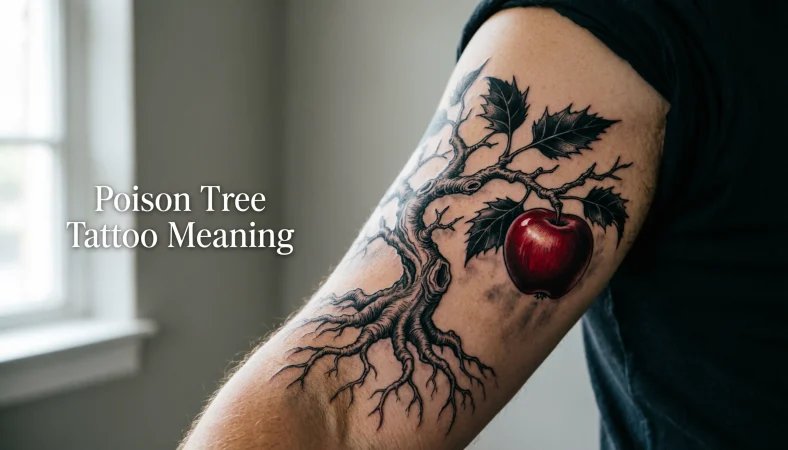
A poison tree tattoo often symbolizes hidden anger, betrayal, toxic relationships, temptation, or the emotional consequences of letting resentment grow. Inspired in part by William Blake’s poem A Poison Tree, the design can represent a painful experience, a warning about harmful people, or the decision to protect your peace. Its meaning depends on the wearer’s personal story, the artwork, and the symbols included in the design.
Some tattoos celebrate love, hope, and new beginnings. Others explore the darker parts of human experience. A poison tree belongs to the second category, offering a striking way to express emotions that are difficult to explain in words.
The image can look beautiful at first glance, with twisted branches, delicate leaves, and an elegant silhouette. Look closer, though, and the symbolism becomes more complicated. A tree that appears healthy may conceal something dangerous, much like a relationship or emotion that slowly becomes harmful.
For some people, this design represents a painful lesson from the past. For others, it serves as a reminder to recognize anger before it takes control. Understanding its literary background, visual details, and personal interpretations can help you decide whether this tattoo communicates the message you want.
Table of Contents
- What Does a Poison Tree Tattoo Symbolize?
- The Connection to William Blake’s Poem
- Common Poison Tree Tattoo Designs and Their Meanings
- The Psychology Behind the Symbolism
- Poison Tree Tattoos Compared With Other Dark Nature Tattoos
- Choosing the Right Design and Placement
- Frequently Asked Questions
What Does a Poison Tree Tattoo Symbolize?
A poison tree is a powerful visual metaphor for something that appears ordinary or attractive but carries a harmful consequence. Because trees naturally suggest life, growth, and stability, turning one into a poisonous symbol creates an interesting contrast.
The most common interpretations include the following.
Hidden Anger and Resentment
One of the strongest meanings involves anger that grows when someone refuses to express or resolve it. Small disagreements can develop into lasting resentment when people conceal their feelings, avoid difficult conversations, or hold onto old injuries.
The tree represents that gradual process. Its roots suggest the original hurt, while its branches represent the ways resentment spreads into other parts of life.
Someone who chooses this design may have learned that ignoring difficult emotions does not always make them disappear. The tattoo can serve as a reminder to address problems before they grow into something more destructive.
Toxic Relationships and Betrayal
A poison tree can represent a relationship that once seemed safe but eventually caused emotional harm. This might involve a dishonest partner, a manipulative friendship, a difficult family relationship, or a betrayal by someone trusted.
The tree’s appearance creates an important contrast. Its beauty may attract attention, but its poisonous nature warns the viewer not to judge everything by appearances.
For a tattoo wearer, the image may mark the end of a harmful relationship or a period of learning to recognize unhealthy behavior. It does not necessarily express hatred toward another person. Sometimes, it represents a boundary: the decision not to let the same experience happen again.
Temptation and Hidden Danger
Another interpretation centers on temptation. Something can look desirable while carrying consequences that are not immediately obvious.
A tree bearing dark fruit, for example, may suggest a choice that offers short-term satisfaction but leads to regret. The symbolism can apply to relationships, personal decisions, ambition, or habits that gradually become damaging.
In this context, the tattoo acts as a visual warning. It reminds the wearer to look beyond appearances and consider what a seemingly attractive choice might cost.
Personal Growth After Pain
Not every poison tree tattoo expresses bitterness. Some people use the image to acknowledge a difficult chapter they have survived.
A damaged tree that produces new leaves can symbolize recovery, while a tree with deep roots may represent the strength gained through adversity. The poisonous elements remain part of the design, but they no longer define the person’s future.
This interpretation shifts the emphasis from suffering to self-awareness. The tattoo becomes a reminder that a painful experience can change someone without controlling the rest of their life.
The Connection to William Blake’s Poem
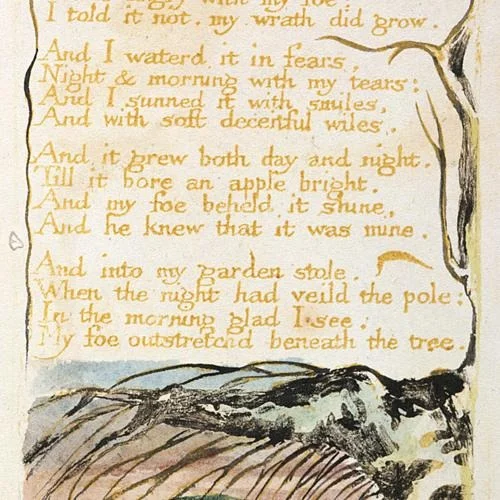
One of the most recognizable literary connections behind this tattoo is A Poison Tree, a poem by English poet and artist William Blake. Published in his collection Songs of Experience in 1794, the poem explores the consequences of suppressed anger.
Its central idea is straightforward: anger that is openly addressed may fade, but anger that someone deliberately nurtures can grow stronger and more dangerous.
The speaker describes hiding resentment rather than discussing it with the person who caused it. Through fear, deception, and continued attention, the anger develops into a symbolic tree that produces tempting fruit.
The tree is not simply a symbol of evil. It represents the process through which a private emotion becomes something with destructive consequences.
Why the Poem Matters to Tattoo Symbolism
Blake’s poem gives the image a deeper meaning than a generic dark tree. It connects the design to emotional repression, dishonesty, revenge, and the consequences of allowing resentment to develop unchecked.
A wearer familiar with the poem might choose a tree with an apple, darkened branches, or a threatening silhouette to reference its central imagery. Someone unfamiliar with the literary source might interpret the same artwork more broadly as a symbol of danger or toxic relationships.
Both interpretations can be valid.
The distinction matters because the tattoo does not have one universally accepted definition. Blake’s poem offers an influential interpretation, but an individual wearer can give the design a different meaning based on personal experiences.
The Symbolism of the Tree and Its Fruit
The tree’s structure can communicate several related ideas without requiring words.
- Roots: The original source of anger, pain, or resentment.
- Trunk: The central issue that continues to shape a person’s behavior.
- Branches: The ways unresolved feelings spread into relationships and decisions.
- Fruit: The consequences of nurturing harmful emotions or making destructive choices.
- Dark leaves: Secrecy, emotional heaviness, or a sense of danger.
These interpretations are artistic associations rather than fixed rules. A tattoo artist can adjust the imagery to emphasize betrayal, personal responsibility, emotional survival, or another theme that matters to the wearer.
Common Poison Tree Tattoo Designs and Their Meanings
The style of a tattoo can influence how people interpret it. A bare tree may suggest loss, while a tree bearing beautiful but dangerous fruit can point toward temptation or deception.
Here are several popular design approaches and the ideas they can express.
Blackwork Poison Tree
Blackwork uses solid black ink, heavy shading, and strong outlines to create contrast. A poison tree designed in this style often features twisted branches, exposed roots, and a dark silhouette.
The result can feel serious and dramatic without needing additional imagery. It may suit someone who wants to acknowledge betrayal, emotional hardship, or a difficult lesson learned through experience.
Fine details can make the tree appear fragile, while thick black sections create a sense of weight. That contrast can reinforce the idea of something that looks delicate but carries a darker meaning.
Poison Tree With an Apple
An apple hanging from a dark tree creates an immediate visual connection between attraction and danger. The fruit might look healthy and inviting, or it might appear rotten, split, or covered in thorns.
A bright red apple against black branches can represent temptation, deception, or the consequences of a choice that once seemed appealing. It may also reference the imagery in Blake’s poem.
The apple does not automatically make the tattoo religious. Although apples appear in popular interpretations of the biblical Garden of Eden, the biblical text itself does not identify the forbidden fruit as an apple.
Dead Tree With Exposed Roots
A leafless tree with tangled roots often communicates emotional exhaustion, loss, or the aftermath of a painful experience.
The exposed roots can be particularly meaningful because they reveal what normally remains hidden beneath the surface. They may represent buried feelings, unresolved memories, or the origins of a difficult personal situation.
This design can also suggest closure. A dead tree may symbolize a relationship or chapter of life that has ended, rather than a problem that continues to grow.
Poison Tree With a Snake
A snake winding around the trunk introduces another layer of symbolism. Depending on the wearer’s intentions, it may represent deception, temptation, transformation, or a threat that remains close.
Snakes have different meanings across cultures and artistic traditions, so the combination does not have one universal interpretation. Paired with poisonous fruit and twisted branches, however, the imagery can create a clear gothic or cautionary theme.
This option may appeal to someone who wants a more intricate design with several connected symbols.
Poison Tree With New Growth
A tree with dark roots and fresh leaves creates a different emotional effect. Instead of focusing entirely on destruction, the image suggests that healing can begin even after a difficult period.
The new growth might represent stronger boundaries, regained confidence, or the ability to recognize harmful patterns. Keeping a few branches dark while allowing others to bloom can make the contrast especially effective.
For someone who wants to acknowledge a painful past without appearing trapped by it, this design offers a more hopeful interpretation.
The Psychology Behind the Symbolism
A poison tree works as a tattoo because it turns an invisible emotional process into something people can see. Anger, distrust, and resentment do not have a physical shape, but a tree can represent how these feelings develop over time.
The metaphor also leaves room for personal responsibility. A person might be hurt by someone else’s behavior, yet the way they respond to that experience can influence what happens next.
When Anger Becomes Part of Your Identity
Unresolved anger can affect how people interpret later experiences. Someone who has been betrayed may begin expecting dishonesty from everyone, even when a new relationship gives them no clear reason to feel suspicious.
The tree can symbolize this gradual change. What begins as a reaction to one painful event may spread into friendships, family relationships, and future decisions.
A tattoo with this meaning can encourage self-reflection. It may remind the wearer to recognize anger without allowing it to determine every response.
That does not mean anger is inherently harmful. Anger can help people recognize mistreatment, defend boundaries, and respond to unfair situations. The darker symbolism emerges when resentment becomes something a person continually feeds at the expense of their own well-being.
Recognizing What Looks Good but Causes Harm
Another psychological interpretation involves the difference between appearance and reality.
A tree covered in attractive fruit can symbolize a situation that promises happiness but repeatedly produces disappointment. The image might relate to a relationship that began beautifully, a friendship built on false trust, or a decision that seemed rewarding at first.
The design reminds the wearer that attraction and safety are not always the same thing. It can represent the experience of learning to judge a situation by its actual effects rather than its initial appeal.
Turning a Difficult Experience Into a Boundary
For some people, the most important message is not revenge. It is prevention.
A poison tree tattoo may mark the point at which someone decided to stop repeating a harmful pattern. Instead of carrying the memory as a source of continuing anger, they use the image as a reminder of what they will no longer accept.
This interpretation gives the tattoo a practical personal purpose. Every time the wearer sees it, the design can reinforce a commitment to honesty, self-respect, and healthier relationships.
The symbol cannot guarantee emotional healing, of course. Its value comes from the meaning the wearer attaches to it and the choices that meaning encourages.
Poison Tree Tattoos and Other Dark Nature Tattoos
A poison tree belongs to a broader tradition of using plants and natural imagery to communicate complicated feelings. However, it differs from other dark botanical designs in what it tends to emphasize.
| Tattoo design | Common symbolism | Main emphasis |
| Poison tree | Resentment, betrayal, hidden danger, or temptation | Harm that develops or remains concealed |
| Dead tree | Loss, endings, loneliness, or endurance | What has been lost or left behind |
| Thorny rose | Love, pain, protection, or sacrifice | Beauty combined with difficulty |
| Wilted flower | Grief, change, fading affection, or vulnerability | Fragility and impermanence |
| Poisonous plant | Danger, caution, mystery, or resilience | The contrast between natural beauty and toxicity |
| Tree with new growth | Renewal, recovery, or personal development | Life continuing after hardship |
These are common artistic interpretations, not universal definitions. Two people can choose identical designs and attach entirely different stories to them.
Poison Tree Versus a Real Poisonous Tree
A symbolic poison tree does not have to represent a specific botanical species. Some designs are entirely fictional, while others borrow details from plants that genuinely contain harmful compounds.
For example, the manchineel (Hippomane mancinella) is a real tropical tree known for its dangerous milky sap. Poisonwood (Metopium toxiferum) can cause skin reactions in susceptible people, while the English yew (Taxus baccata) contains highly toxic compounds, particularly in its seeds and other plant tissues.
Oleander (Nerium oleander) is another well-known poisonous plant, commonly grown as a shrub or small tree. Black cherry (Prunus serotina) contains cyanogenic compounds, especially in its leaves and seeds, which can pose a poisoning risk under certain conditions.
These examples illustrate that a beautiful plant can carry genuine risks. However, they should not be treated as interchangeable species, and a tattoo featuring a generic poison tree does not necessarily refer to any of them.
For a botanical design, an artist can use the distinctive shape of a particular species to add meaning. Someone who chooses a manchineel-inspired tree, for instance, might want the artwork to reflect real danger hidden beneath an attractive exterior.
The International Union for Conservation of Nature (IUCN) maintains the Red List of Threatened Species, which assesses the conservation status of species. That resource is useful for researching a real tree’s ecological status, but it does not define the symbolic meaning of a tattoo.
Choosing the Right Design and Placement
The best design is one that communicates your intended meaning without becoming unnecessarily complicated. Before choosing an artist or placement, consider whether you want the tattoo to feel threatening, reflective, mysterious, or hopeful.
Choosing Colors and Artistic Details
Black and gray
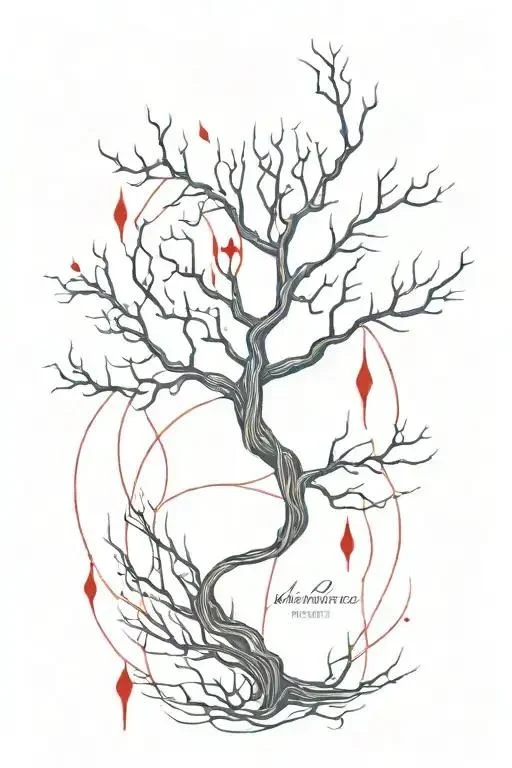
This palette creates a somber, timeless appearance. It works well for themes involving resentment, grief, hidden pain, and reflection.
Black with red accents
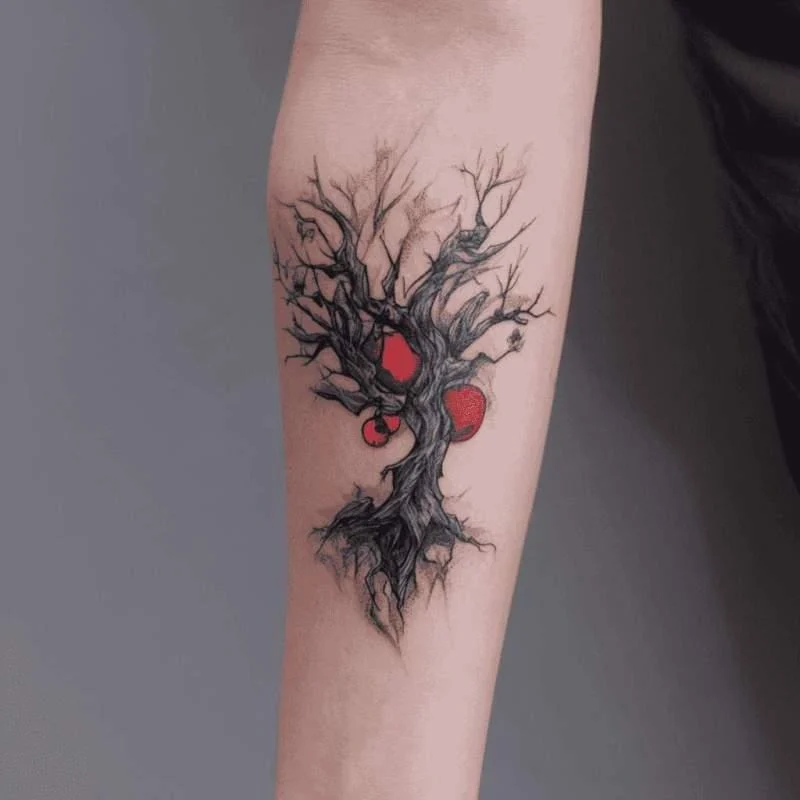
Red fruit or small red details draw attention to temptation, danger, passion, or a painful memory that remains vivid.
Fine-line botanical style
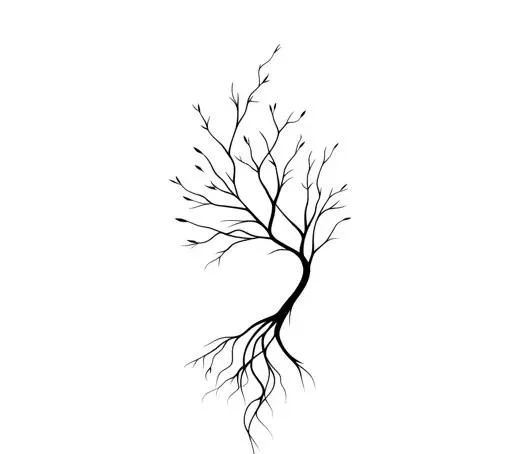
Thin lines and carefully drawn roots create a quieter, more personal design. This approach suits someone who prefers subtle symbolism over a dramatic gothic appearance.
Gothic or surreal style
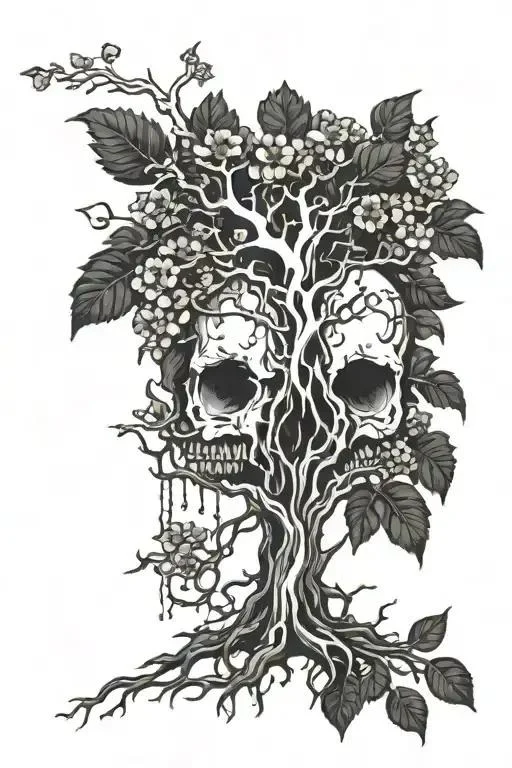
Twisted trunks, unusual fruit, and exaggerated branches create an unsettling image. This style emphasizes mystery, inner conflict, and the darker side of human experience.
Where Should You Place a Poison Tree Tattoo?
Placement affects the tattoo’s visibility, size, and level of detail. A design with extensive roots and branches needs more room than a small symbolic outline.
- Forearm: A practical option for a design you want to see regularly. The elongated shape suits a tree trunk with spreading branches.
- Upper arm: Provides room for detailed artwork and allows the tattoo to remain covered by clothing.
- Back: Offers a larger canvas for elaborate roots, multiple branches, and additional imagery.
- Chest: Can give a personal design a close connection to the heart, although that association is the wearer’s interpretation rather than an established meaning.
- Calf: Works well for vertical tree designs and can accommodate moderate detail.
- Wrist: Better suited to a simplified tree or small branch, since intricate roots and tiny details may become difficult to distinguish at a small size.
Ask your tattoo artist how the design will age on the chosen part of your body. Very small lettering and tightly packed details may become less clear over time.
FAQs
Is a poison tree tattoo a symbol of revenge?
A Poison Tree tattoo can symbolize anger and revenge or the choice to overcome resentment, depending on the wearer’s interpretation of Blake’s poem.
Is a poison tree tattoo associated with witchcraft or the occult?
A Poison Tree tattoo may have gothic or occult-inspired styling, but it does not automatically signify belief in witchcraft or the supernatural.
Can a poison tree tattoo represent family trauma?
A Poison Tree tattoo can symbolize harmful family patterns or unresolved childhood conflict, with its roots representing experiences that shape later relationships.
Does the tattoo have a specific spiritual meaning?
A Poison Tree tattoo may symbolize temptation, moral choices, or transformation, but its spiritual meaning depends on personal beliefs rather than universal religious teachings.
Should I include words or a quote with the design?
Lettering is optional for a Poison Tree tattoo; a meaningful quote, personal phrase, or date can add significance, but verify any quotation before tattooing it.
Final Thoughts
A poison tree tattoo can express the complicated relationship between pain, anger, temptation, and personal growth. Its connection to William Blake’s poetry adds literary depth, while its branches, roots, and fruit leave plenty of room for individual interpretation.
Whether you choose a dark, dramatic tree or one showing signs of new life, the most meaningful design is the one that reflects your own experience rather than someone else’s assumptions.








1 thought on “Poison Tree Tattoo Meaning: Symbolism, Origins And Design Ideas For 2026.”