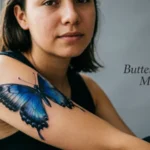
A butterfly tattoo commonly symbolizes transformation, personal growth, freedom, beauty, and new beginnings. Many people choose this design to represent a major life change, recovery from a difficult experience, or the courage to become someone new. Depending on its color, style, and accompanying symbols, it can also express love, remembrance, hope, or a connection to nature. Its meaning is personal, so the same design can represent something entirely different to two people.
Have you ever wondered why butterfly tattoos are so popular and what they represent beyond their delicate appearance? For many people, a butterfly is more than a beautiful design. Its remarkable life cycle makes it a powerful symbol of change, resilience, and the freedom to become someone new.
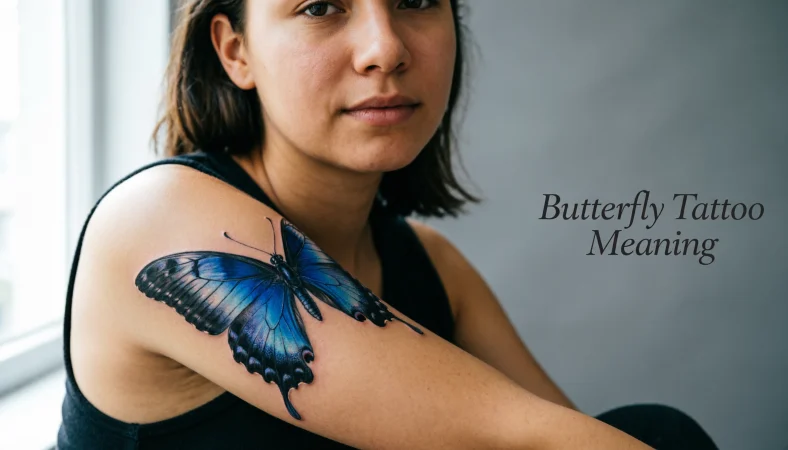
Whether someone chooses a small butterfly on the wrist or a detailed design across the shoulder, the tattoo can reflect a meaningful moment, a personal milestone, or a fresh start in life.
In this guide, you will explore the butterfly tattoo meaning from different perspectives, including transformation, freedom, love, spirituality, and personal healing. You will also discover how colors, placements, and design styles can influence a tattoo’s interpretation.
While some meanings appear across different cultures and traditions, others come from individual experiences rather than universal symbolism. Understanding these distinctions can help you appreciate the deeper significance behind butterfly tattoos and choose an interpretation that feels authentic to your own story.
Table of Contents
- The Symbolism Behind Butterfly Tattoos
- What a Butterfly Tattoo Can Represent Emotionally
- Butterfly Tattoo Colors and Their Meanings
- Popular Butterfly Designs and Their Symbolism
- Butterfly Tattoos in Different Cultural Traditions
- Butterfly Tattoos Compared With Other Symbols
- Choosing the Right Design and Placement
- Frequently Asked Questions
The Symbolism Behind Butterfly Tattoos
A butterfly is a small creature with a remarkable life cycle. It begins as an egg, develops into a caterpillar, forms a chrysalis, and eventually emerges with wings. This visible change explains why butterflies have become powerful symbols of personal transformation.
For someone getting a tattoo, that transformation may reflect a change in identity, a new chapter in life, or the decision to leave an unhealthy situation behind. The design does not suggest that change is always easy. Instead, it can serve as a reminder that difficult periods do not necessarily define the rest of a person’s life.
Transformation and Personal Growth
Transformation is one of the most widely recognized interpretations of butterfly imagery. People may choose this tattoo after graduating, changing careers, ending a relationship, or rebuilding their lives following a difficult experience.
The butterfly’s life cycle provides a natural image for that process. A person may not feel ready for change while going through it, just as a caterpillar does not resemble the butterfly it will become. The finished tattoo can represent the belief that growth sometimes happens before its results become visible.
For others, the symbol reflects a quieter change. It might mark the development of confidence, the decision to set boundaries, or the realization that an old version of oneself no longer fits.
Freedom and Independence
Butterflies are also associated with freedom because of their ability to fly. A butterfly tattoo may represent independence, self expression, or the desire to make choices without allowing other people to control one’s direction.
This interpretation can be particularly meaningful after leaving a restrictive environment or learning to trust personal judgment. The wings become a visual reminder of having choices and the ability to move forward.
A butterfly flying upward or away from a branch can reinforce this idea. However, the direction of the butterfly does not have a universal symbolic meaning. Its significance depends on the intention behind the design.
Hope and New Beginnings
A butterfly can represent the beginning of something better. Someone starting over after a setback may see it as a reminder that the future does not have to resemble the past.
Unlike a tattoo that commemorates a single achievement, this design can represent an ongoing process. It may remind the wearer to remain patient, stay open to opportunities, and recognize small signs of progress.
The symbol can also mark a specific turning point, such as moving to a new country, starting a family, or beginning a personal project. In these cases, the butterfly represents both the ending of one chapter and the possibility of another.
What a Butterfly Tattoo Can Represent Emotionally
Not every butterfly tattoo is about dramatic change. Some carry deeply personal meanings connected to relationships, grief, confidence, or identity.
Love and Connection
Butterflies can symbolize love, attraction, and emotional closeness. Their delicate appearance may suit someone who wants a romantic design without using a traditional heart.
A pair of butterflies can represent two people growing together while retaining their individuality. Some couples or family members choose matching designs as reminders of a shared experience or lasting bond.
Still, a butterfly does not automatically mean romantic love. It can represent friendship, family, self love, or a connection that continues to influence someone’s life.
Grief and Remembrance
For some people, a butterfly tattoo serves as a memorial to someone who has died. Its association with change and the continuation of life can provide a meaningful way to remember a loved one.
A person might combine the butterfly with a name, initials, a meaningful date, or a small flower associated with the person being remembered. Others prefer a simple outline because it feels private and understated.
There is no single universal belief that connects butterflies with the afterlife. Some people interpret them spiritually, while others see them as personal reminders of love, memory, and the impact someone left behind.
The design can be meaningful without making a statement about what happens after death. Sometimes, it simply says that a person is gone but remains important.
Resilience and Recovery
A butterfly tattoo may mark survival through a challenging period. It can represent the decision to keep going, the gradual rebuilding of confidence, or the recognition that healing does not happen overnight.
For someone recovering from an illness, leaving an abusive relationship, or rebuilding life after a major setback, the image can become a personal marker of endurance. It does not mean that every difficulty has disappeared. Rather, it can acknowledge how far the person has come.
This interpretation differs slightly from transformation. Transformation emphasizes becoming different, while resilience emphasizes continuing despite hardship. A single butterfly can represent both, but the wearer may have one meaning in mind more strongly than the other.
Femininity, Beauty, and Self Expression
Butterflies are often used in feminine tattoo designs because of their delicate wings, curved shapes, and colorful patterns. Yet the symbol is not limited to women or to any particular gender.
A bold black butterfly, a geometric design, or a large realistic piece can feel powerful rather than delicate. Someone might choose the image simply because they appreciate its appearance, without attaching a major personal story to it.
That is an important part of tattoo symbolism: a design can be meaningful because of what it looks like, how it makes someone feel, or what it represents in their personal history.
Butterfly Tattoo Colors and Their Meanings
Color can influence how a butterfly tattoo is interpreted. These associations are common artistic or personal interpretations, not fixed rules shared by every culture.
| Butterfly color | Common symbolic associations | Suitable design direction |
| Blue | Peace, hope, calm, and personal freedom | Blue morpho inspired wings or soft watercolor |
| Black | Mystery, strength, grief, or elegance | Blackwork, fine line, or a dark silhouette |
| White | Innocence, peace, remembrance, or spiritual reflection | Minimalist outline or delicate fine line |
| Purple | Individuality, creativity, and spiritual reflection | Violet gradients or ornamental wings |
| Yellow | Joy, optimism, warmth, and fresh starts | Bright wings with floral details |
| Pink | Affection, tenderness, compassion, and self love | Soft pink shading or small feminine designs |
| Red | Passion, courage, energy, and intense emotion | Red wing accents or a bold illustrative style |
| Multicolored | Diversity, individuality, creativity, and change | Realistic wings or watercolor artwork |
Blue Butterfly Tattoos
Blue butterflies are often associated with tranquility and hope. Their vivid appearance can also express individuality and a desire to stand out without choosing an aggressive design.
The blue morpho butterfly is a recognizable source of inspiration. Species in the genus Morpho are known for their striking blue appearance, which is largely produced by the structure of their wing scales rather than blue pigment alone.
A tattoo inspired by this butterfly may appeal to someone who appreciates both its natural beauty and the idea of seeing things from a different perspective.
Black Butterfly Tattoos
Black butterflies can carry a more understated or serious mood. Depending on the person, the design may represent grief, inner strength, mystery, or a significant change that does not need to be explained publicly.
A completely black silhouette creates a clean, graphic look. Intricate blackwork, by contrast, can emphasize the patterns and shapes of the wings.
Black does not automatically mean mourning or sadness. Some people choose it because it ages visually well as a simple concept, fits their existing tattoos, or matches their preferred style.
White and Purple Butterfly Tattoos
White butterflies may be chosen for remembrance, peace, or a feeling of spiritual connection. Purple butterflies can suggest creativity, individuality, or a sense of mystery.
These meanings depend heavily on context. A white butterfly beside a name may serve as a memorial, while the same butterfly alone might simply reflect a preference for minimalism.
Purple designs often work well when the wearer wants a colorful tattoo with a less common palette. Both colors can also be combined with flowers, stars, or fine line details to create a more personal design.
Popular Butterfly Designs and Their Symbolism
The shape, number, and surrounding elements can change the feeling of a tattoo as much as its color.
Minimalist Butterfly
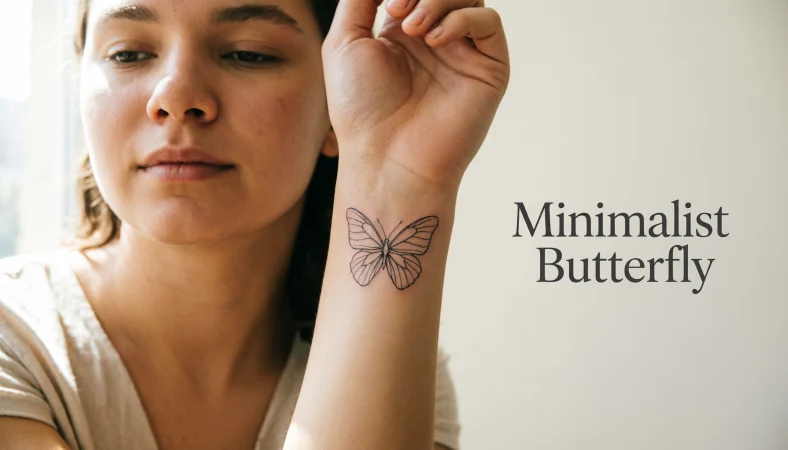
A small outline or simple silhouette can represent quiet growth, freedom, or a private reminder of change. This style suits people who prefer subtle artwork rather than a highly detailed piece.
Realistic Butterfly
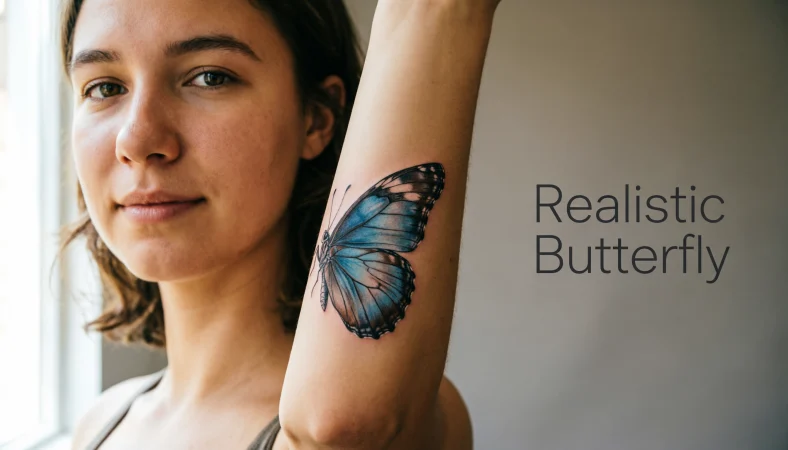
Detailed wing patterns and natural coloring emphasize beauty and a connection to the natural world. A monarch butterfly may also suggest migration, endurance, or a personal journey, although these meanings are individual interpretations.
Butterfly With Flowers
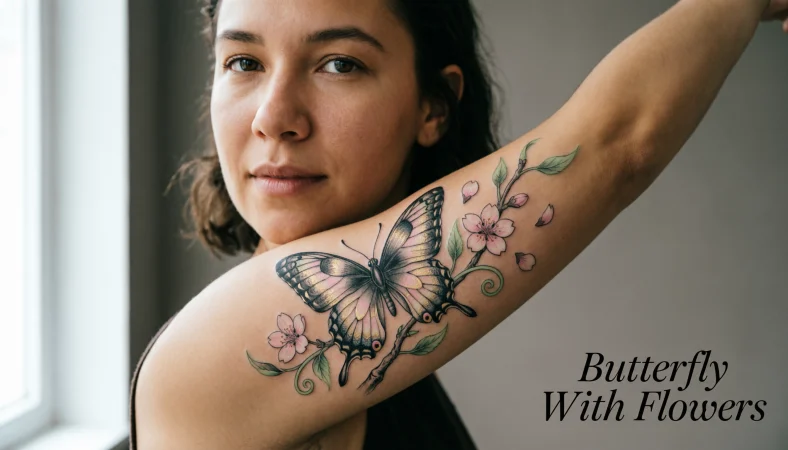
Floral elements often add associations with affection, growth, beauty, or the passage of time. A rose may give the composition a romantic feeling, while wildflowers can create a softer, nature inspired design.
Two Butterflies
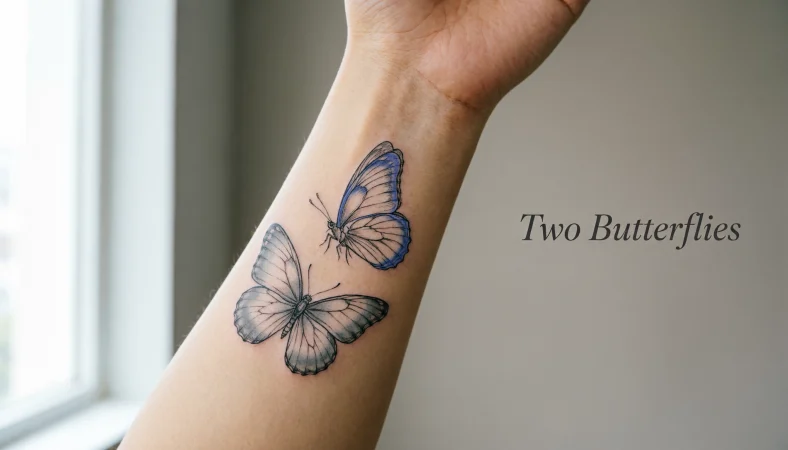
Two butterflies can represent partners, siblings, close friends, or two stages of one person’s life. Their meaning often comes from the relationship between the people or experiences they represent.
Butterfly With a Chrysalis
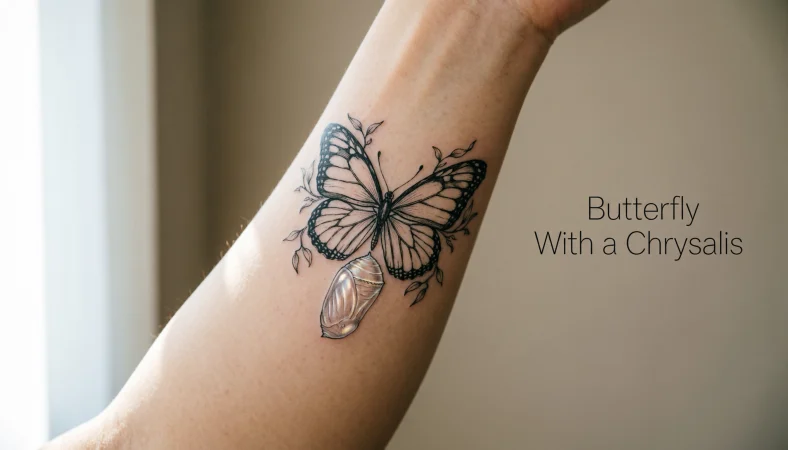
This design makes the idea of transformation more explicit. It may represent the process of becoming, the patience required for change, or a difficult stage that helped shape the person.
Butterfly With a Moon or Stars
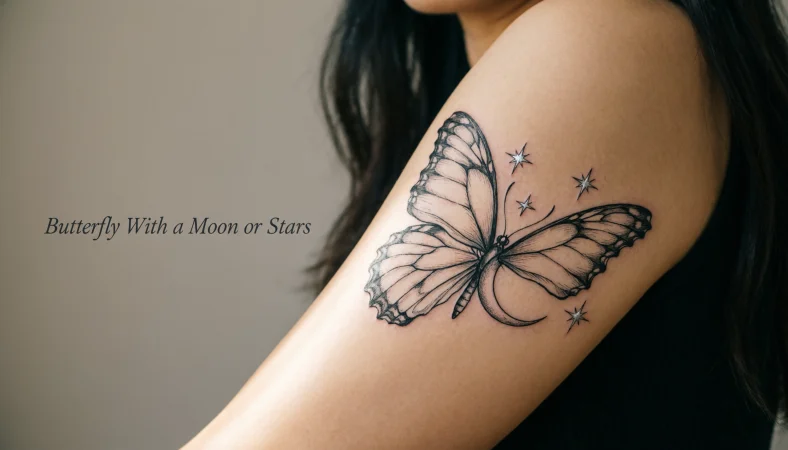
Celestial details can add a sense of wonder, intuition, or spiritual reflection. The combination may suit someone who wants a dreamy design, though the symbols do not have one universally accepted meaning.
Monarch Butterfly Tattoos
The monarch butterfly, Danaus plexippus, is known for its orange and black wing pattern and remarkable long distance migration in North America. Its life cycle and seasonal movements make it a natural source of symbolism around journeys, change, and endurance.
Some people choose a monarch to represent a long personal journey or a connection to a particular place. Others simply love its recognizable pattern.
The species also has conservation significance. The International Union for Conservation of Nature (IUCN) has assessed the migratory monarch population, highlighting concerns about its decline. Conservation classifications and assessments can change over time, so anyone interested in the latest status should consult the IUCN Red List directly.
A monarch tattoo can therefore express an appreciation for wildlife as well as a personal meaning.
Butterfly Tattoos in Different Cultural Traditions
Butterfly symbolism varies across societies, stories, and personal beliefs. It is better to understand a specific tradition than to assume that every butterfly tattoo carries the same cultural message.
Japanese Symbolism
In Japanese art and cultural imagery, butterflies can be associated with beauty, femininity, and transformation. They also appear in traditional decorative designs and artistic motifs.
Two butterflies may be used to suggest a relationship or marital happiness in some artistic contexts. However, meanings vary with the image, setting, and source. A modern tattoo should not automatically be treated as a direct representation of a single Japanese belief.
Someone interested in Japanese inspired artwork may wish to study the particular motif and its cultural context before choosing a design.
Greek Mythology and the Soul
The connection between butterflies and the soul has a long history in Greek language and mythology. The ancient Greek word psychē could mean both “soul” and “butterfly,” a linguistic association that has helped link butterflies with the soul in later artistic interpretations.
Psyche is also the name of a figure in Greek mythology whose story became associated with love and the soul. In later art, Psyche is sometimes represented with butterfly wings.
This connection can make butterfly imagery appealing to people who want a spiritual or philosophical design. It does not mean that all Greek traditions assigned one fixed meaning to every butterfly.
Spiritual and Personal Interpretations
Some people view butterflies as reminders of loved ones who have died, signs of hope, or symbols of spiritual renewal. Others connect them with religious ideas about the soul, resurrection, or life after death.
These beliefs are personal and vary among individuals and communities. There is no scientific evidence that seeing a butterfly proves a deceased person is communicating with someone.
A tattoo can still honor a spiritual belief without requiring others to share it. The most useful question is what the symbol means to the person wearing it.
Butterfly Tattoos Compared With Other Symbols
Butterflies share some meanings with other popular tattoo designs, but each image emphasizes a different idea.
| Tattoo symbol | Common interpretation | Main difference from a butterfly |
| Phoenix | Rebirth after destruction or hardship | Often emphasizes rising again after a major collapse |
| Lotus flower | Growth, purity, or spiritual development | Highlights beauty emerging from difficult conditions |
| Dragonfly | Change, adaptability, and lightness | Often emphasizes movement and adaptability rather than a distinct life cycle |
| Moth | Mystery, attraction to light, or nighttime imagery | Commonly has a darker or more nocturnal visual character |
| Bird | Freedom, travel, or independence | Emphasizes flight and movement more than metamorphosis |
| Semicolon | Continuing one’s story, often connected with mental health awareness | Has a more specific modern association with continuing through hardship |
A butterfly may be the better choice when someone wants to represent gradual personal development or a fresh start. A phoenix may feel more appropriate for someone whose story centers on rebuilding after a major loss, while a bird can communicate freedom more directly.
These distinctions are only general guides. Tattoo meanings are not standardized, and people often combine symbols to express several ideas at once.
Choosing the Right Design and Placement
The best design is one that reflects the wearer’s intention and works well on the chosen part of the body. Before choosing an image, consider whether the tattoo should feel private, decorative, bold, or deeply personal.
Common Placement Ideas
- Wrist: A visible reminder of growth, recovery, or a personal milestone.
- Forearm: A good option for detailed wings, flowers, or a realistic butterfly.
- Shoulder: Offers room for larger artwork and can be covered easily.
- Collarbone: Works well with delicate outlines and designs that follow the body’s natural shape.
- Ankle: Suits small butterflies and subtle compositions.
- Back: Provides space for symmetrical wings, multiple butterflies, or a larger piece.
- Behind the ear: A discreet option for a very small design, although fine details may be difficult to maintain at that scale.
Placement does not determine the meaning. A butterfly on the wrist is not inherently more meaningful than one on the back. Visibility, comfort, personal preference, and practical considerations matter more.
Questions to Ask Before Getting Inked
Think about the story you want the tattoo to tell. Is it about a new beginning, a person you miss, independence, or simply an image you have always loved? Your answer can help determine the style, color, and additional details.
Next, consider the design’s long term appearance. Very tiny wing patterns and delicate lines may lose clarity as a tattoo ages, so discuss size and detail with an experienced tattoo artist. Review healed examples of the artist’s work rather than relying only on fresh tattoo photographs.
Finally, make sure the design feels right to you. Popularity can provide inspiration, but it should not replace your own judgment. A meaningful tattoo does not need a complicated story or an explanation that everyone understands.
FAQs
Does a butterfly tattoo mean someone has changed?
It can. Many people use butterflies to mark a personal transition, such as recovering from hardship, changing direction in life, or developing a stronger sense of identity. Others choose them for beauty, affection, or entirely different reasons.
Is a butterfly tattoo associated with mental health?
It can be a personal symbol of recovery, hope, or resilience. However, a butterfly does not have one official mental health meaning, and it should not automatically be interpreted as evidence of someone’s experiences or condition.
What does a butterfly tattoo with a semicolon mean?
The combination can connect the butterfly’s symbolism of change and growth with the semicolon’s association with continuing one’s story, including mental health awareness. For the wearer, it may represent survival, recovery, or a commitment to keep moving forward.
Are butterfly tattoos only for women?
No. Butterfly tattoos are worn by people of all genders. Minimalist outlines, bold blackwork, realistic designs, and geometric patterns can each create a different visual effect, making the image adaptable to many styles.
What does a butterfly tattoo mean after a breakup?
Some people use it to represent freedom, rebuilding confidence, or starting a new chapter after a relationship ends. Others may choose it to mark personal growth rather than the breakup itself. The meaning depends on the person’s experience.
Do butterfly tattoos have a universal spiritual meaning?
No. Some traditions and individuals connect butterflies with the soul, renewal, or remembrance, while others see them primarily as natural imagery. Spiritual interpretations vary, and no single meaning applies to every wearer.
Conclusion
A butterfly tattoo can represent a turning point, a cherished relationship, a personal struggle, or the simple beauty of nature. Its color and design offer ways to make the image more individual, but the story behind it matters most. Choose a butterfly that reflects your own experience rather than feeling pressured to follow a popular interpretation. The most meaningful design is one you will still connect with years from now.